Hollerstead / Journal / What to Wear in a Duck Blind
Hollerstead Journal / Field layersWhat to Wear in a Duck Blind
Layering for cold Lowcountry mornings, from the first layer to the drive home.
Ask ten duck hunters what to wear in the blind and you will get ten answers, most of them attached to a story about the one morning they got it wrong. Lowcountry mornings make it trickier: you might start in a cold, damp fog before dawn and be peeling off layers by ten. Here is how we think about dressing for the marsh, from the first layer to the drive home.
An honest note first: Hollerstead doesn't make waders, camouflage or technical waterfowl gear. We make everyday sporting clothes for the drive in, the boat ride, the camp and the porch. We'll point out where they fit, and where specialized gear should take over.
Start with the layering basics
Layers let you adjust as the morning changes. Think in three:
- Base layer. Something that moves moisture away from your skin, like merino wool or a synthetic. Cotton holds moisture, so it is a poor choice next to your skin on a cold morning when you will sweat on the walk in and then sit still.
- Mid layer. Insulation you can add or remove: fleece, wool or a light insulated jacket.
- Outer layer. Protection from wind and water. In the blind, this is usually a waterproof hunting jacket in a pattern or color that matches your cover.
Save the cotton for later. A heavyweight tee or a soft sweatshirt is exactly what you want once you are dry and back at the truck, which is where most of our pieces earn their keep.
Stay dry from the waist down
Wet feet end a morning faster than anything. Most marsh hunting calls for waders or tall waterproof boots, depending on how much water you'll cross. If you wear waders, many hunters cinch a wading belt at the waist as a safety measure, and it is worth practicing how you would get to your feet in deep water before you need to. Pack a dry pair of socks no matter what.
Hands, head and neck
Cold hands make for slow, clumsy handling of the gun and the dog's lead. Bring warm gloves and a dry spare pair, since one pair will get wet. A warm hat and a neck gaiter take the edge off the wind, and something to cover your face helps with concealment, too. Hand warmers in a pocket are cheap insurance on the coldest days.
Colors and concealment
Ducks are wary, and movement and shine give you away faster than almost anything else. In the blind, wear muted colors or a pattern that matches the cover around you, and avoid anything bright or reflective. Your face is often the brightest thing in the blind, so keep it down or covered as birds work.
If you hunt land that is shared with other seasons, check SCDNR for any visibility clothing rules that apply where and when you hunt.
A packable layer for the boat ride
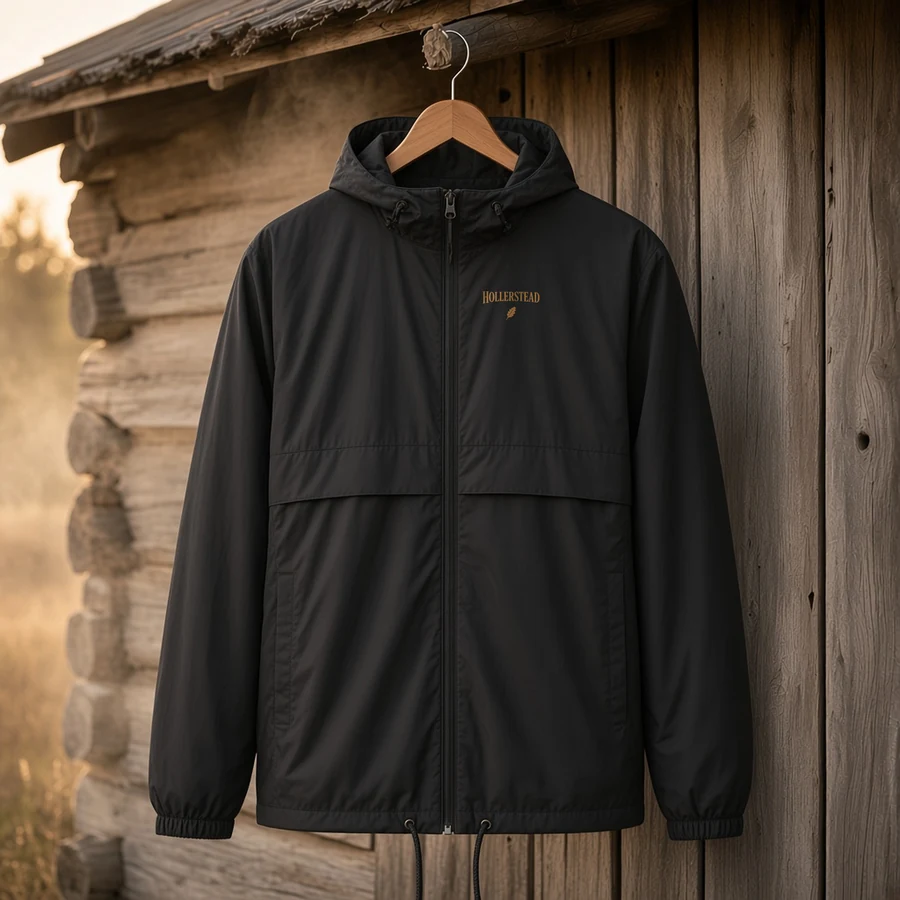
The run out across open water in the dark is often the coldest part of the morning. Our Packable Windbreaker ($88) is a lightweight, wind- and rain-resistant full-zip with a hood, adjustable drawcords at the hood and hem, and elastic cuffs, and it packs into its own pocket so it lives in the boat bag. It isn't a waterproof wading jacket, but it is an easy layer for the boat ride, the walk back and the drive home.
What to change into after the hunt
Dry clothes after a cold morning are one of the small luxuries of duck season. Keep a full change in the truck: socks, a base layer and something warm and soft.
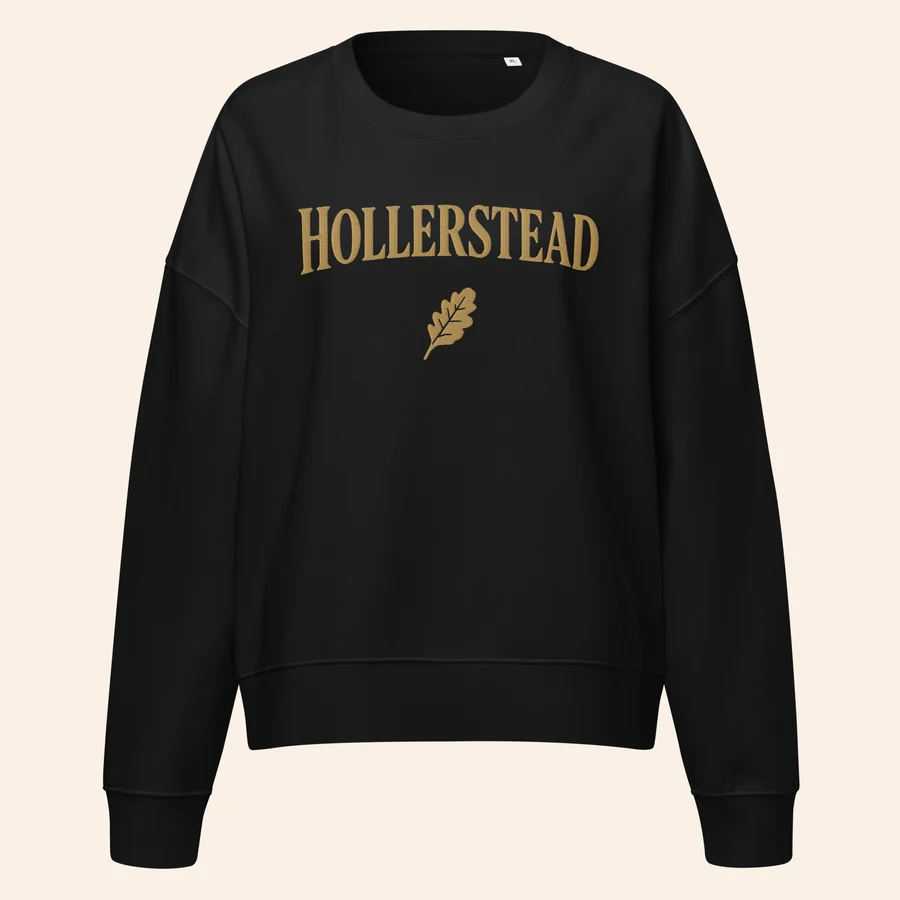
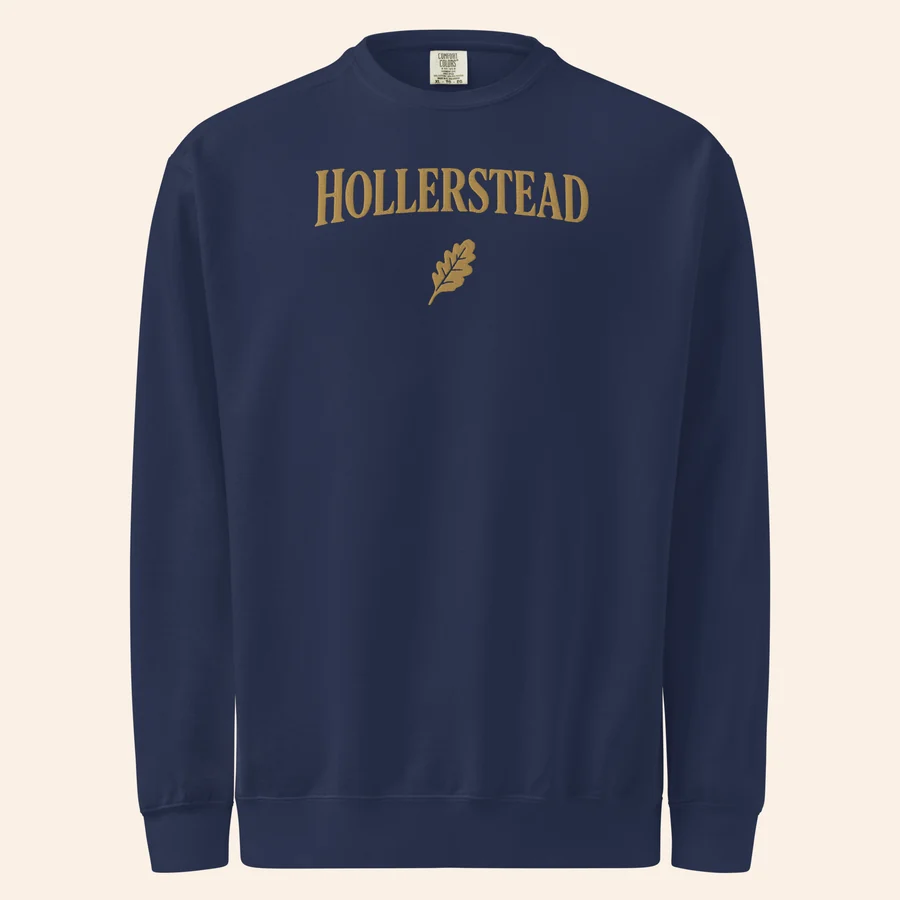
- Our Garment-Dyed Embroidered Sweatshirt ($78) is a relaxed Comfort Colors crewneck with a soft, worn-in feel and HOLLERSTEAD with the oak leaf embroidered big across the front in old gold thread.
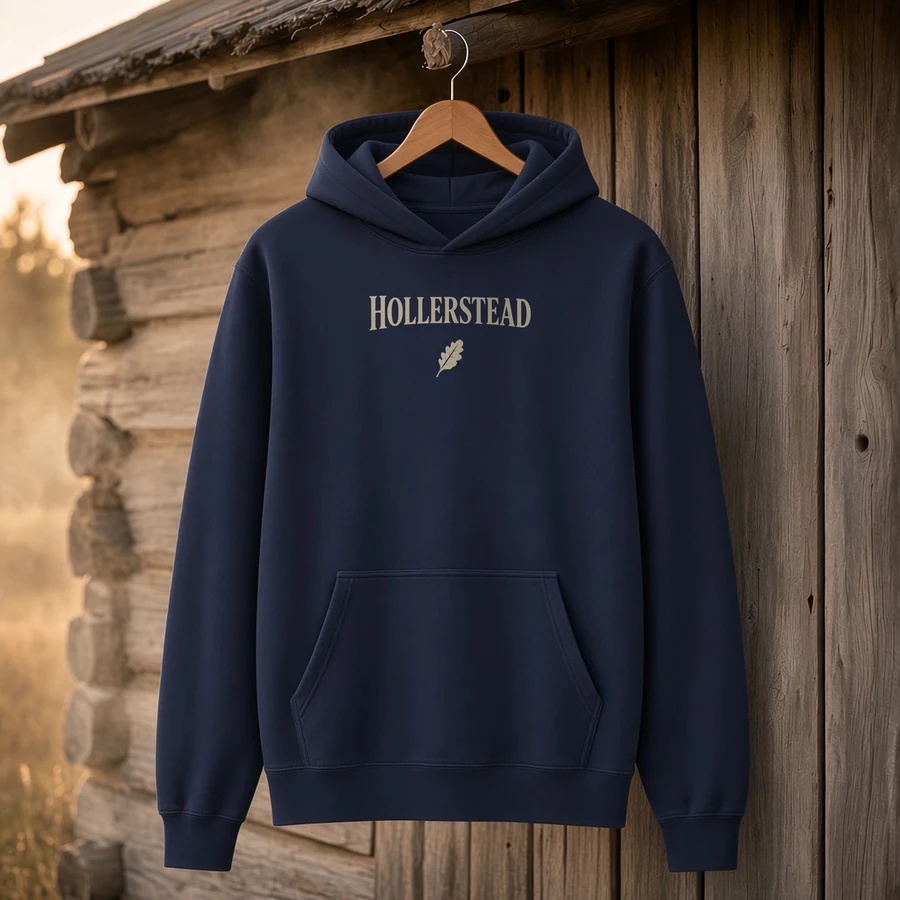
- For a heavier layer, the Hollerstead Hoodie ($115) is a garment-dyed hoodie with a front pouch pocket and the full-chest HOLLERSTEAD and oak leaf in cream.
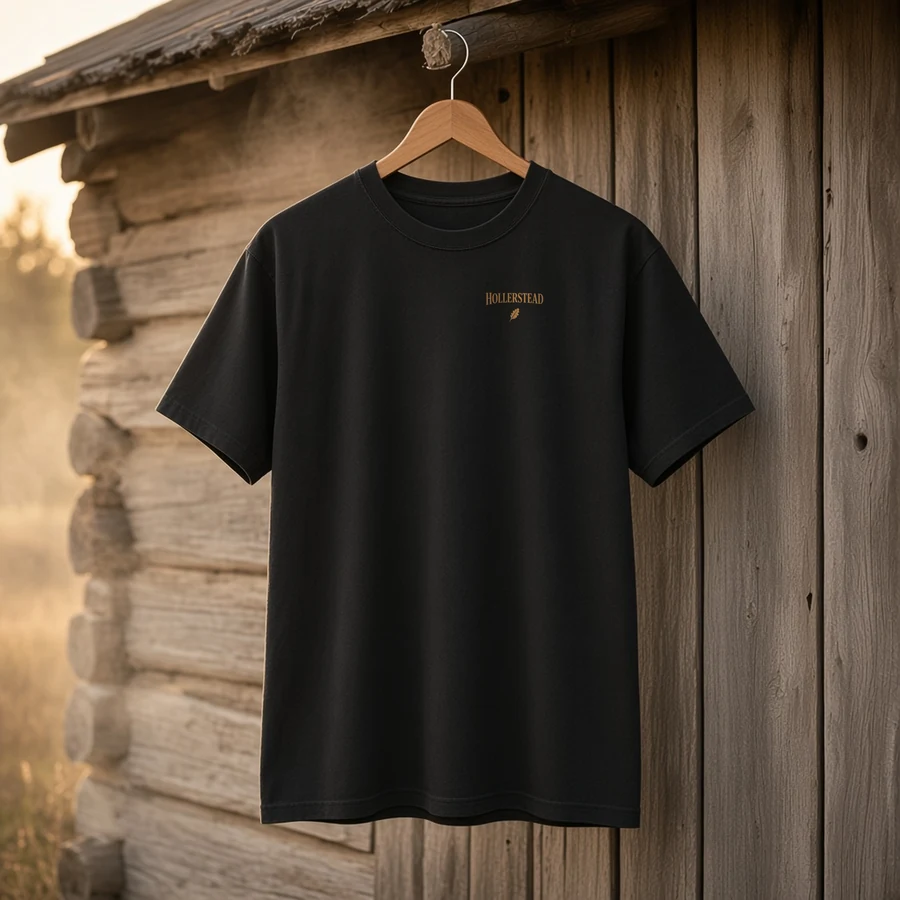
- Under it, an Embroidered Tee ($45), a heavyweight garment-dyed tee.
- For women, the Women's Organic Crew Sweatshirt ($88) is brushed fleece inside, and the Women's Cropped Hoodie ($88) is an easy layer for camp.
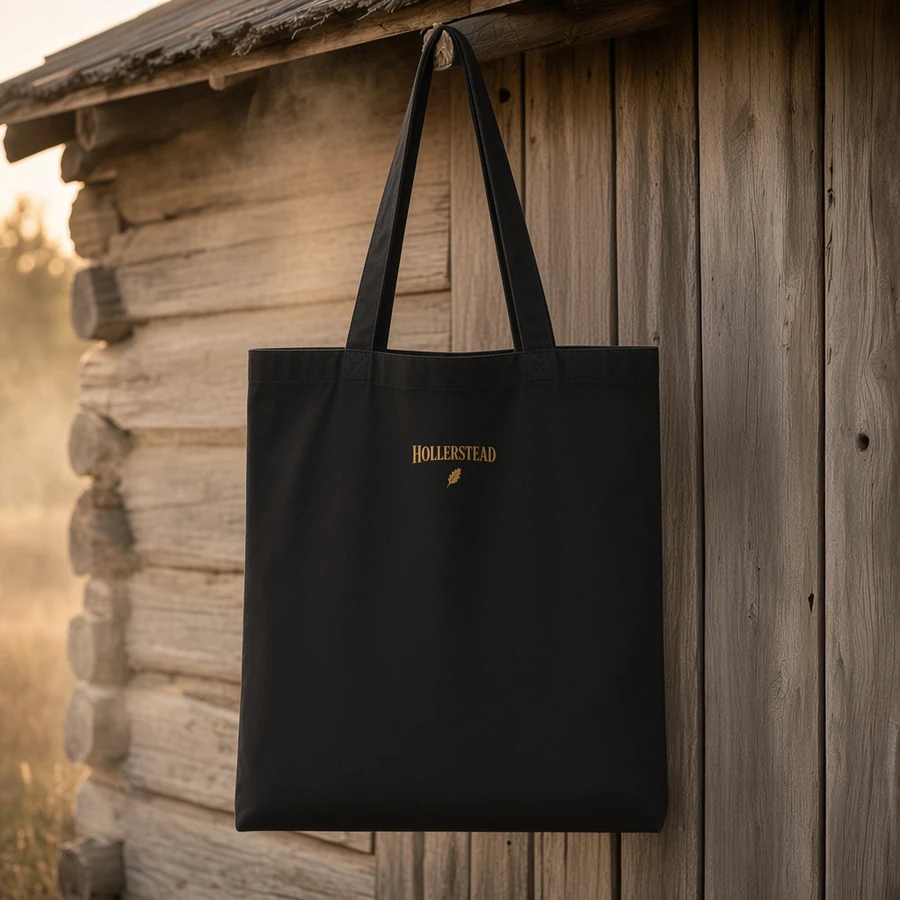
Pack it all in our Large Organic Cotton Tote ($65). It measures 20 by 14 by 5 inches, holds about 6 gallons and carries up to 30 pounds, enough for a change of clothes, gloves and a thermos.
Don't forget the dog
Your retriever needs dressing for the weather too. A neoprene vest can help a dog hold heat on cold days, and an old towel and a dry crate pad in the truck make the ride home better for everyone. Our Lowcountry Duck Season Guide has more on caring for your dog in the marsh.
A simple blind-day packing list
- Moisture-wicking base layer and an insulating mid layer
- Waterproof outer layer that matches your cover
- Waders or tall waterproof boots, plus a wading belt
- Warm gloves and a dry spare pair, a hat and a neck gaiter
- A packable windbreaker for the boat ride
- A dry change of clothes in a tote
- Towel, water and a vest for the dog
Get the layers right and the cold becomes part of the morning instead of the whole story. Dress for the blind, pack for the ride home, and save the soft, dry layers for the truck and the porch, where a cold morning on the marsh turns into a good one.
Born on the marsh, made for the field.