Hollerstead / Journal / A Lowcountry Duck Season Guide
Hollerstead Journal / The marshA Lowcountry Duck Season Guide
Marsh, dogs and first light: what to think through before the season opens.
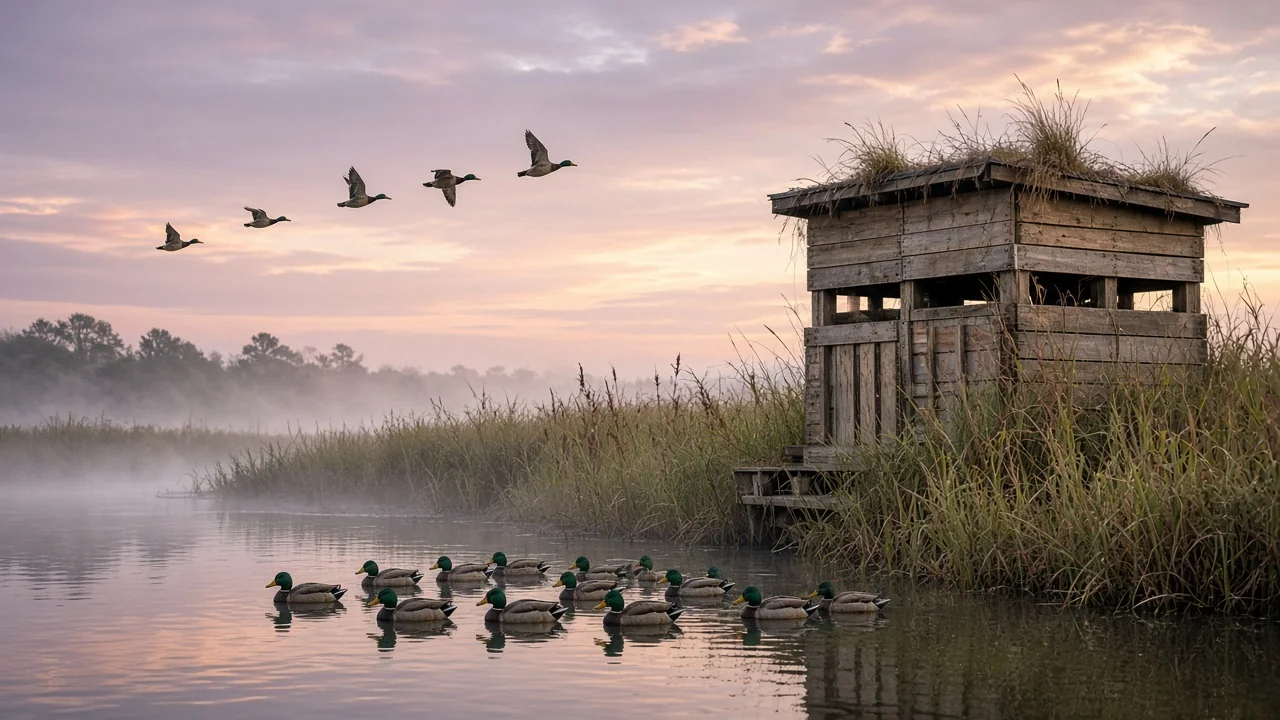
There is a particular kind of quiet on a Lowcountry marsh before first light. The water is still, the reed beds are gray shapes in the fog, and somewhere out past the decoys a dog is trembling with the effort of staying put. Duck season here is less about the number of birds in the bag than about the mornings themselves: the cold drive in, the hush before shooting time, and the company you keep in the blind.
This guide covers the basics we think every Lowcountry duck hunter, new or seasoned, should think through before the season opens. It is general advice, not legal guidance. Seasons, limits and rules change every year, so always check the current regulations with your state wildlife agency. In South Carolina, that is the South Carolina Department of Natural Resources (SCDNR).
Start with the rules: seasons, licenses and stamps
Waterfowl seasons are set fresh each year. South Carolina is part of the Atlantic Flyway, and SCDNR's waterfowl pages are where to find the current season dates, daily bag limits, shooting hours and any special rules for public land. Don't rely on last year's dates or on what a friend remembers. Look them up before every season, and again before you hunt somewhere new.
A few federal rules apply wherever you hunt ducks in the United States:
- Federal Duck Stamp. The U.S. Fish & Wildlife Service requires waterfowl hunters 16 and older to buy a current Federal Duck Stamp. The Service says 98 percent of the purchase price goes directly to protecting wetland habitat for the National Wildlife Refuge System.
- Nontoxic shot. Lead shot has been banned nationwide for waterfowl hunting since 1991. Use steel or another federally approved nontoxic shot.
- Three-shell limit. Federal rules prohibit hunting migratory game birds with a shotgun that holds more than three shells unless it is plugged, with a few narrow exceptions for special goose seasons.
On top of the federal stamp, your state sets its own license and permit requirements. SCDNR's waterfowl page links to where you can buy your license and the stamps you need. Sort them out before opening day, not in the truck on the way in.
Read the marsh before you hunt it
Many Lowcountry marshes are tidal, and that changes everything. A spot that holds birds at high water can be a mud flat by mid-morning, and a creek you ran up in the dark may be too shallow to run out of. Check a tide chart for the morning you plan to hunt, and think about where the water will be both when you arrive and when you leave.
Scout when you can. Watch where birds feed and rest in the days before a hunt, and notice how they come in on different winds. Ducks generally prefer to land into the wind, so the wind on the morning of the hunt shapes where your blind and your decoys belong.
If you hunt public land, read that area's own rules. Some managed areas use drawings, set hunt days or limited hours, and those details live on SCDNR's site rather than in a general guide like this one.
The blind and the decoys
A good blind does two things: it hides you, and it keeps you still. Brush it in with the same cover that grows around it, so it reads as part of the marsh rather than a box sitting in it. Then sit still. More birds are spooked by a turned face or a fidgeting hand than by a blind that is a little thin in places.
With decoys, natural beats perfect. Leave an open landing pocket within comfortable range of the blind, and set the spread so birds working into the wind will look right at it. Keep your lines and weights tidy. On a tidal marsh, a decoy that sits pretty at high water can end up stranded on the mud at low.
Keep the calling modest. On pressured water, a few soft, well-timed calls often do more than a constant chorus.
Your retriever: the best partner in the blind
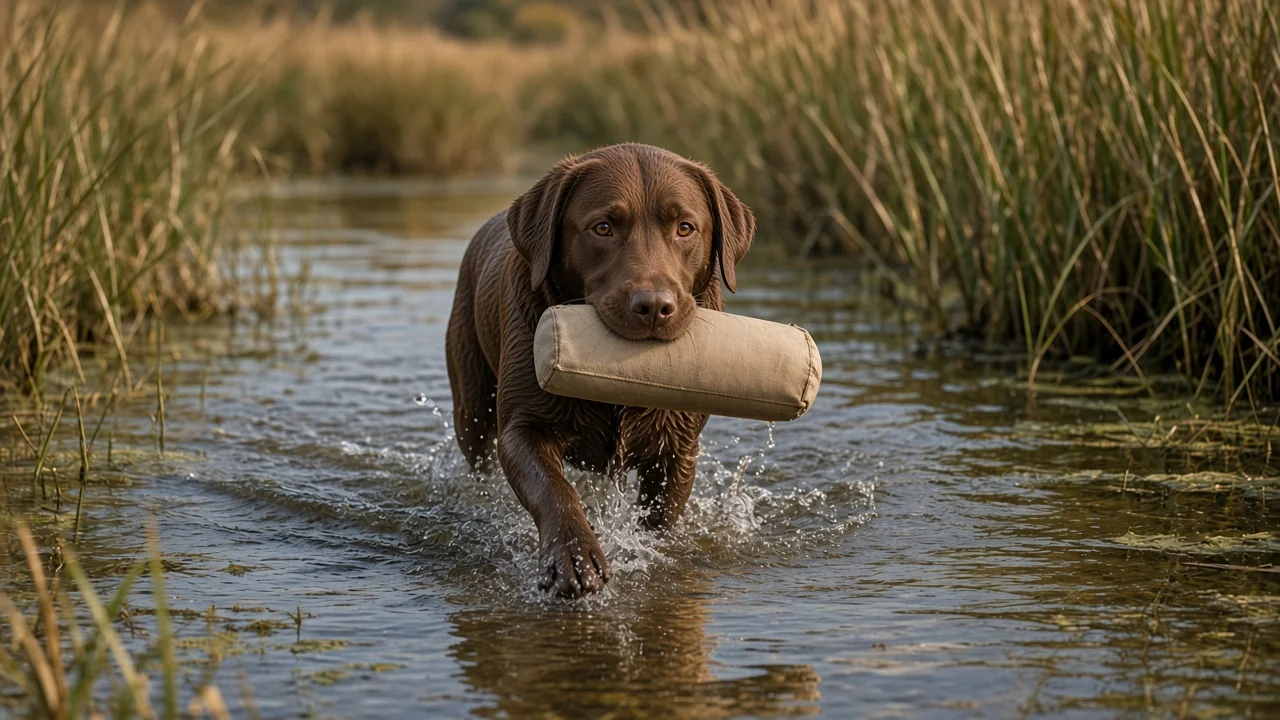
For a lot of us, the dog is the reason to be out there at all. A good retriever turns a cold morning into a shared one, and watching a Lab work a marsh is its own reward. Look after your dog the way it looks after you:
- Warmth. A wet dog loses heat quickly in a cold wind. A dog stand or platform keeps them out of the water between retrieves, and a neoprene vest can help on raw days. Ask your vet what suits your dog.
- Steadiness. Practice marks and steadiness with a training bumper in the off-season, so the first real retrieve isn't the first time your dog has been asked to wait.
- A once-over. Marsh grass, shell and debris can cut paws and legs. Check your dog after every hunt, and bring fresh water and a towel.
- Local hazards. Parts of the Lowcountry have alligators and strong tidal currents. Keep your dog close in water you don't know well.
Safety on the water
Cold water is the danger hunters most often underestimate. A few habits go a long way:
- Wear a life jacket in the boat, and don't overload it with people, dogs and gear.
- Leave a float plan: tell someone where you are going and when you expect to be back.
- Carry a dry bag with a spare layer, a light and a charged phone.
- Unload your gun before moving the boat or climbing in and out of the blind, and agree on safe zones of fire with everyone in it.
SCDNR also publishes boating rules, including life jacket and lighting requirements; check them before the season.
Dressing for the morning
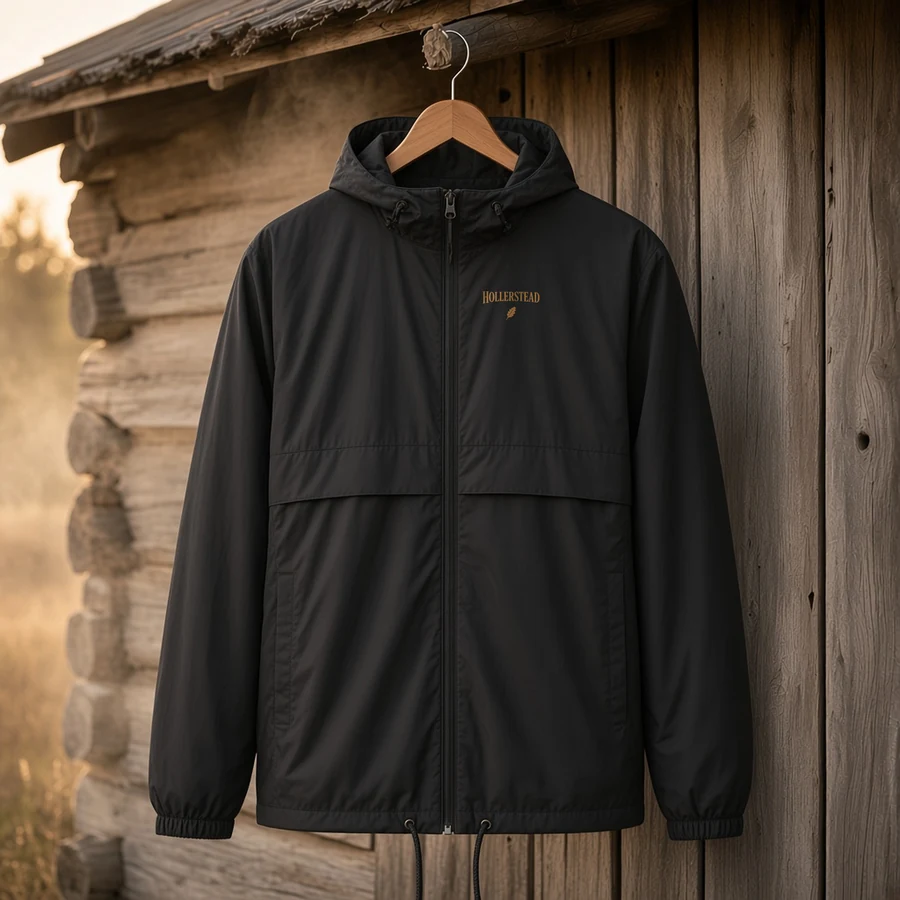
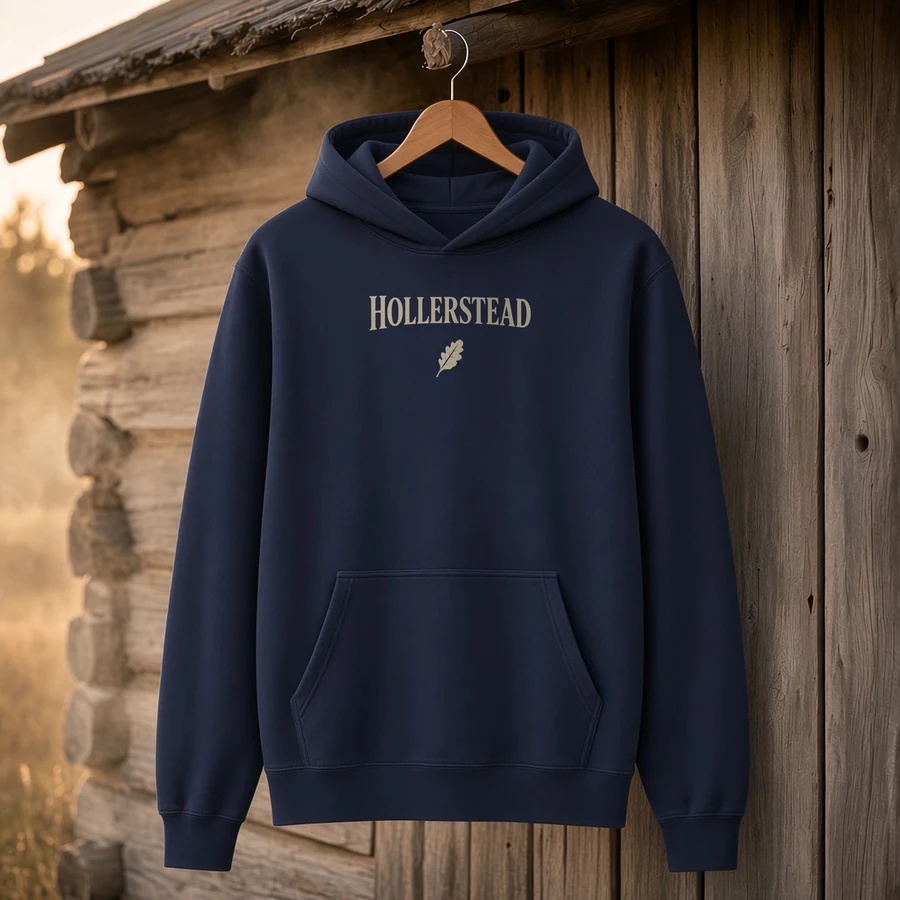
Lowcountry duck mornings can start damp and near freezing and end in shirtsleeves, so dress in layers you can shed. We cover it in detail in What to Wear in a Duck Blind. For the boat ride, a wind- and rain-resistant layer like our Packable Windbreaker packs into its own pocket. For the drive home, a dry garment-dyed sweatshirt or our Hollerstead Hoodie is hard to beat, and a large tote keeps the dry clothes, gloves and thermos together.
After the hunt
Pick up every spent shell and every scrap of trash. Leave the blind and the landing better than you found them. Care for your birds promptly. And thank the people, and the dog, who made the morning what it was. The marsh will be there next season if we treat it well.
A short checklist before you go
- Current state license and stamps, plus a Federal Duck Stamp if you are 16 or older
- This season's dates, bag limits and shooting hours from SCDNR
- Nontoxic shot and a plugged shotgun
- Tide chart and forecast for the morning
- Life jacket, float plan and a dry bag
- Water, a towel and a first-aid kit for the dog
- Dry layers for after, packed in a tote in the truck
Born on the marsh, made for the field.